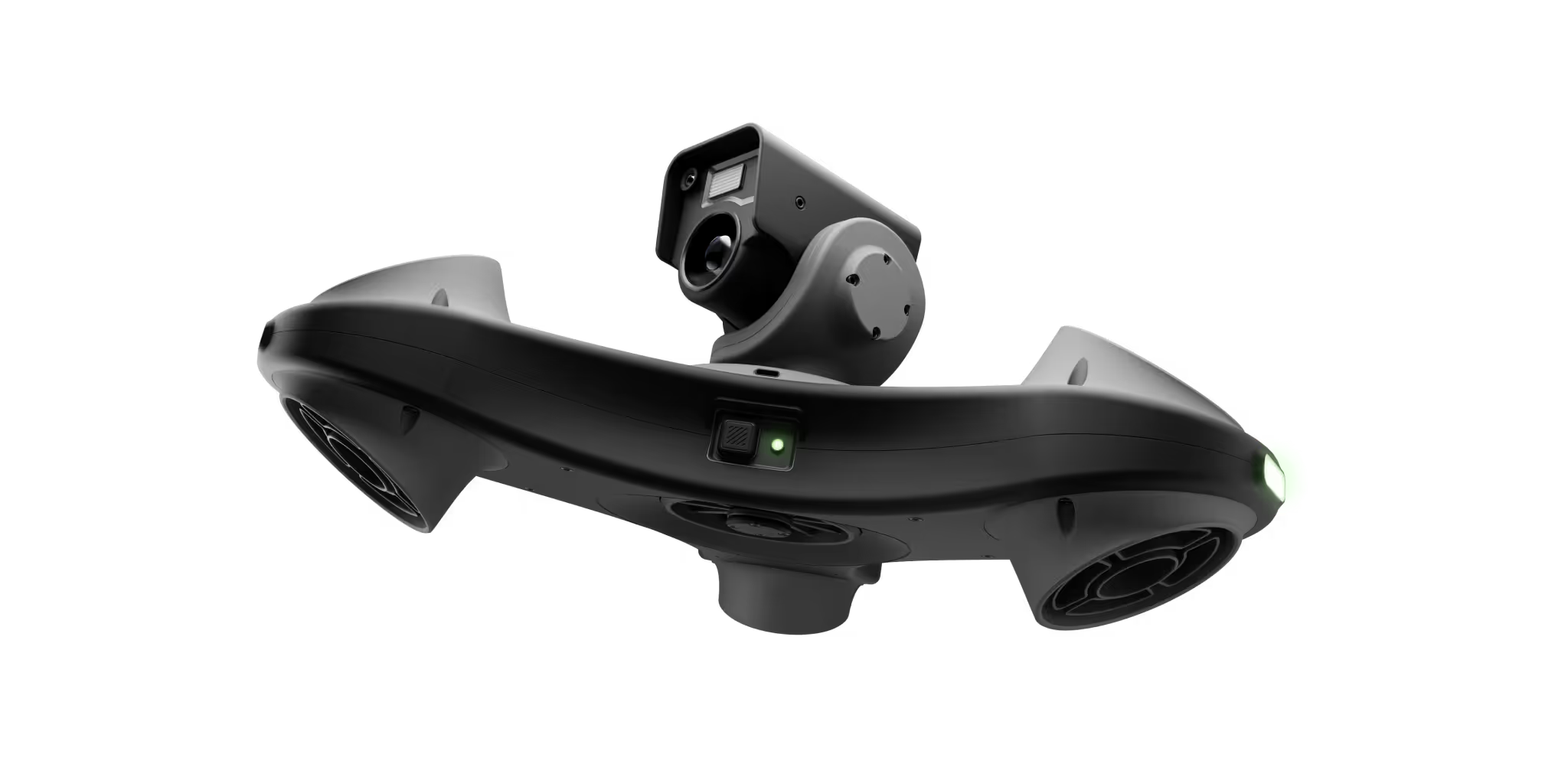
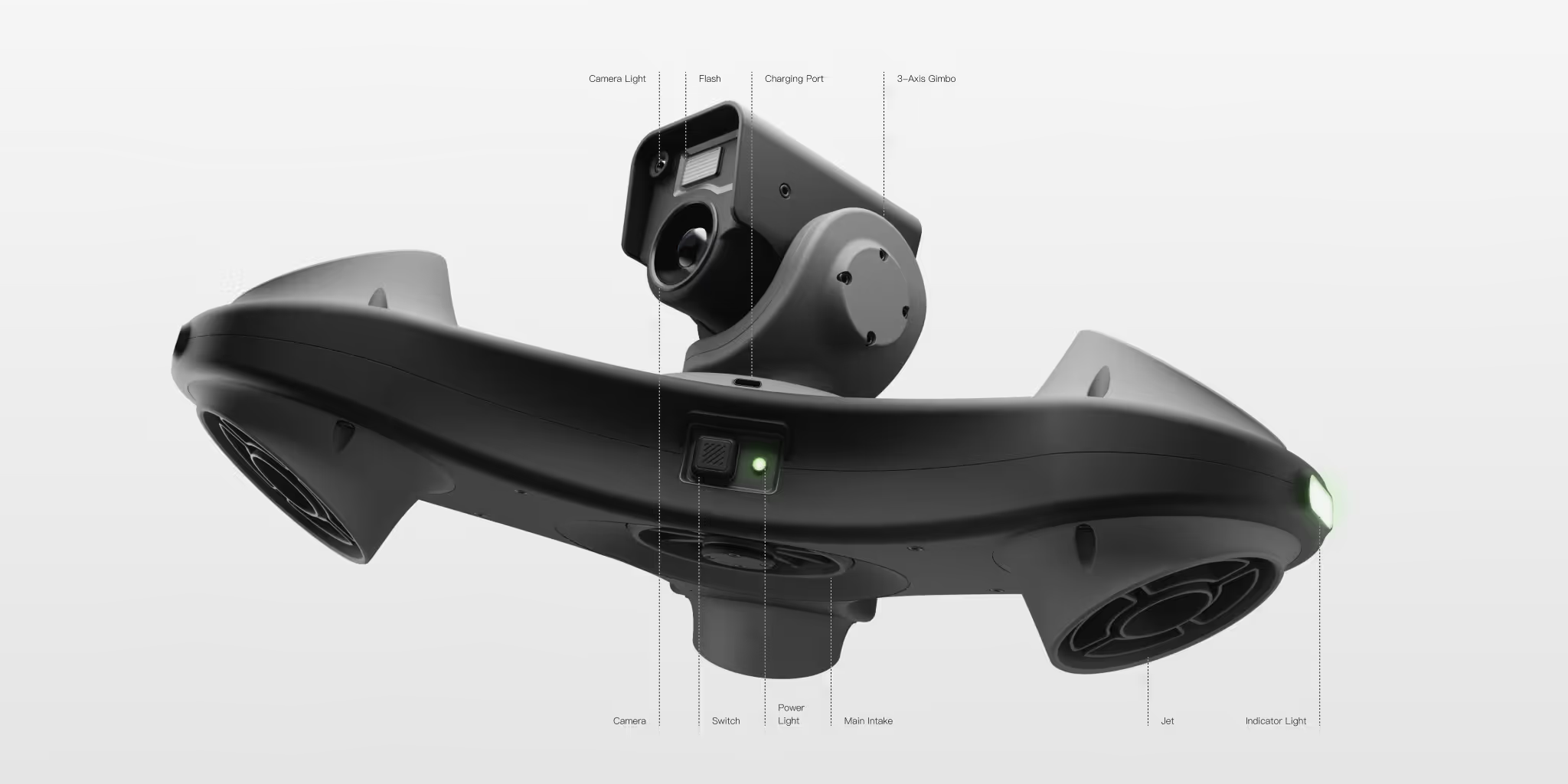
AstroAnchor is an aerial drone specifically optimized for weightless/microgravity environments, featuring an innovative design tailored for the diverse application scenarios driven by the space industry revolution. As an intelligent device for the era of space exploration, it not only meets the immersive recording demands of low-Earth orbit space tourism but also enables stabilized filming for space-based education and assists astronauts in critical missions such as space station equipment inspections.
In common environment, drones fly in a gravitational Drones generate lift and thrust to fly in gravity, with multirotors using spinning propellers. Heavier payloads need more lift and energy, reducing flight time and maneuverability. But in zero gravity, lift isn’t needed—drones move using thrusters or gas jets, as propellers and wings are useless. They use less energy to hover but still require efficient power management.
In a zero-gravity environment, we can employ many propulsion methods other than propellers, and jet propulsion is an excellent option. It can provide lift for drones while ensuring the safety of the spacecraft. Additionally, in a microgravity environment, payload pressure is significantly reduced, allowing us to use equipment like air compressors that would typically consume more energy under normal conditions while also ensuring their endurance.
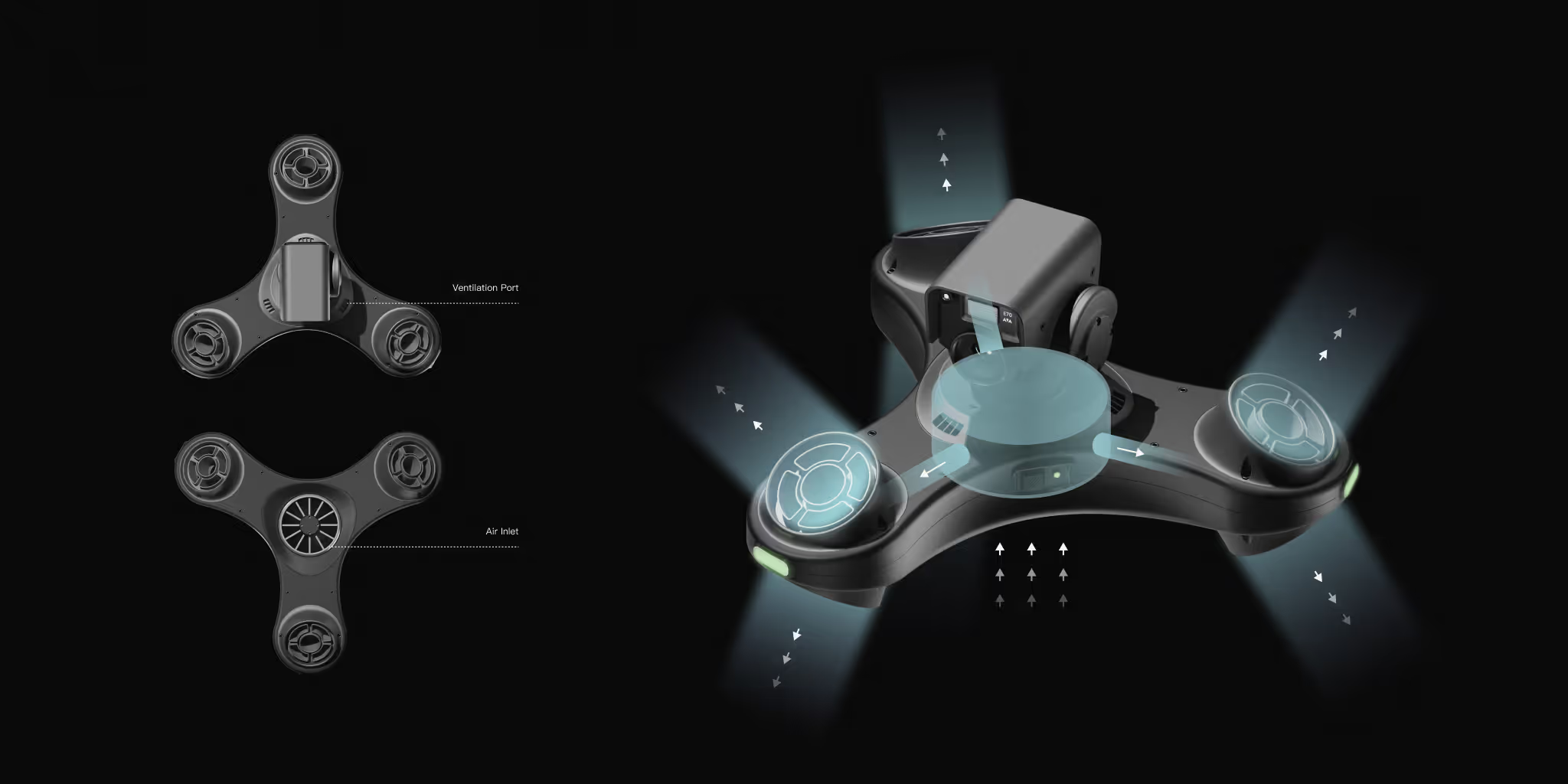
compressor. It enables omnidirectional movement through thrust vectoring control (TVC), utilizing six nozzles (two per axis) for redundant and precise maneuverability. Each nozzle’s gas pulse frequency is controlled by high-speed solenoid valves.
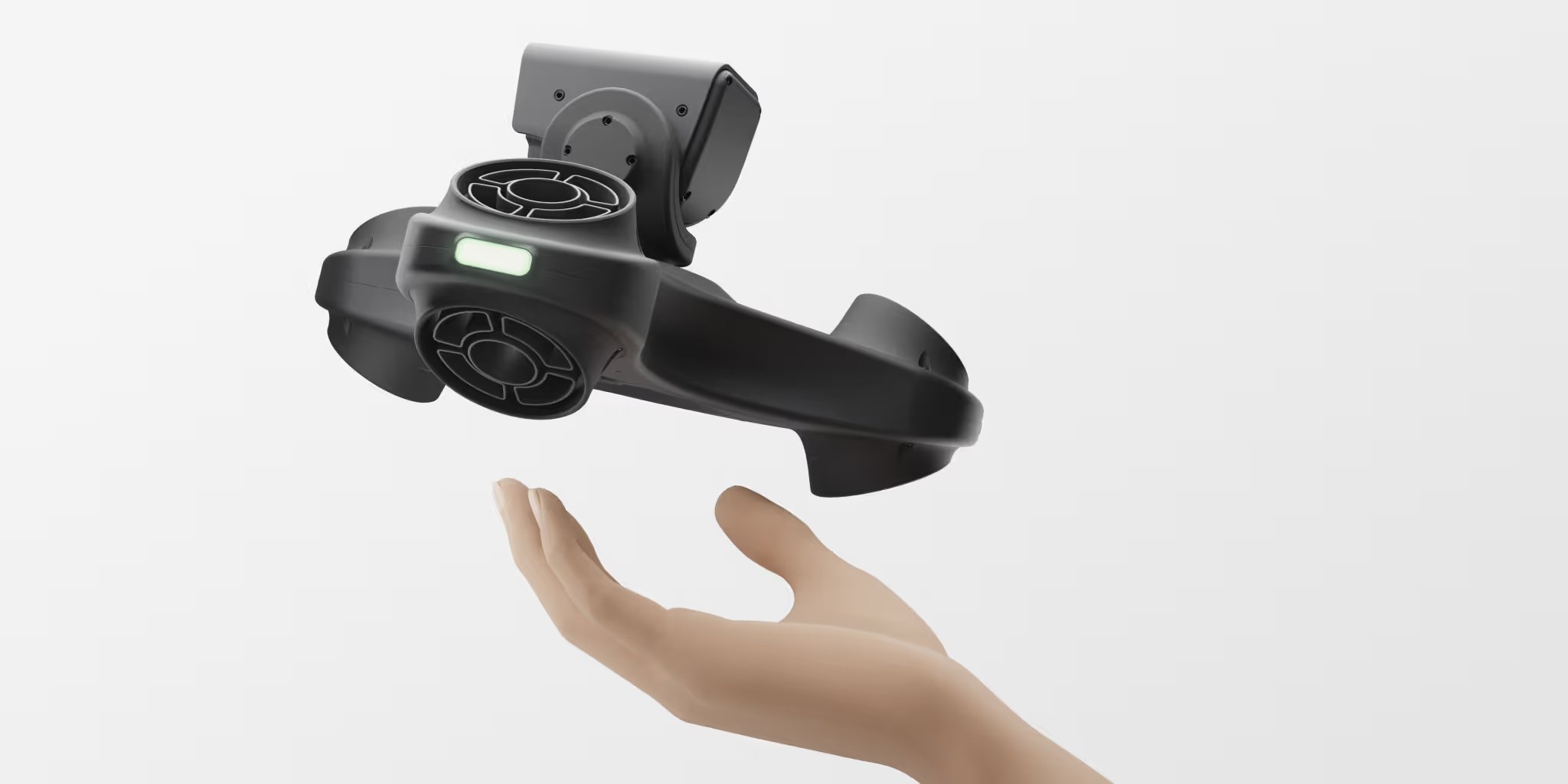
Amid growing space activities, these drones serve educational demos, documentary filming, and equipment checks. They excel in confined spaces and can replace human crews during emergencies, proving uniquely valuable.